
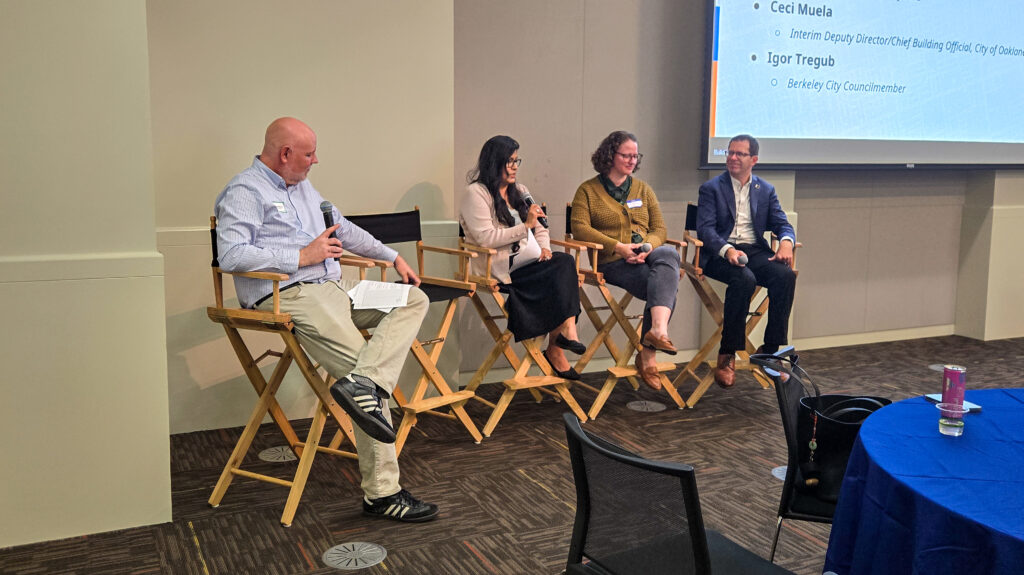
Panelists Elizabeth Blanton, Senior Planner at the City of Hayward; Ceci Muela, Interim Deputy Director and Chief Building Official at the City of Oakland; and Igor Tregub, Berkeley City Councilmember, helped set the stage for why small-scale housing is critical in the Bay Area right now.
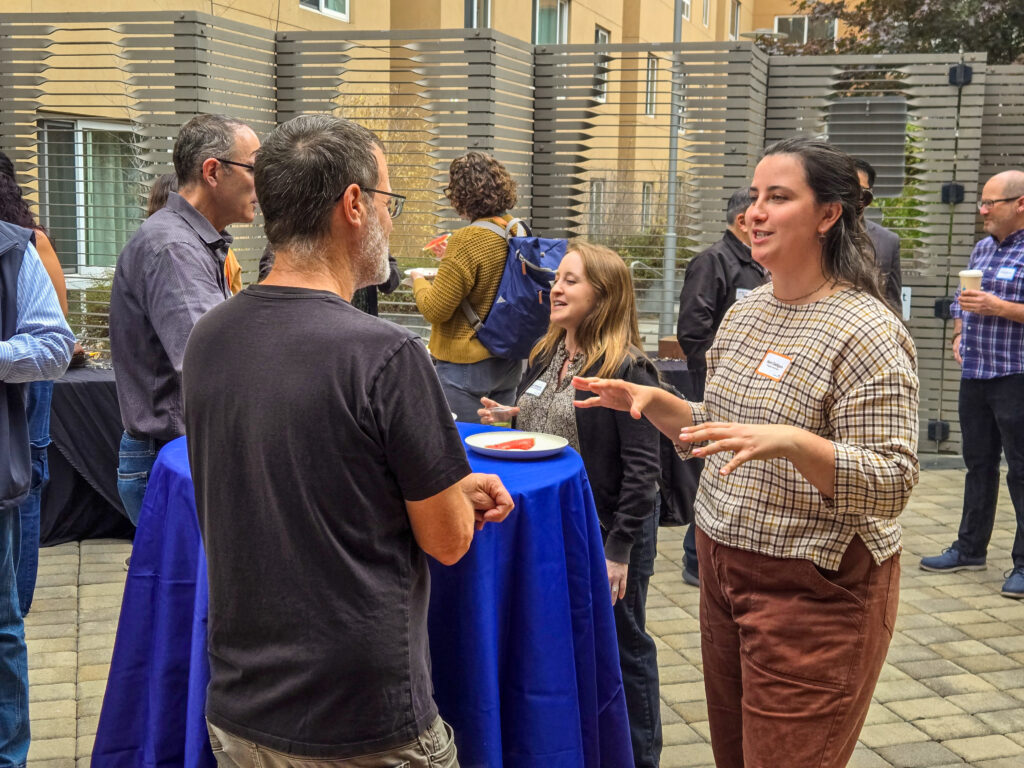
Conversations also turned to the role of long-time residents. “What we don’t want is for that community — which is a neighborhood, a human fabric — to be destroyed,” one housing leader said. “We’re trying to make sure neighbors can stay close by to each other and that those friendships can continue.”
One of the strongest insights was that small-scale development cannot succeed in isolation. It requires four groups working together in alignment:
Without all four, small-scale development risks remaining a talking point rather than a reality. Elizabeth Blanton emphasized the need to support property owners who are asset-rich but cash-poor. Ceci Muela reflected on the importance of challenging city teams to think creatively and avoid defaulting to “no.” Igor Tregub spoke to the potential of zoning reforms like Berkeley’s Middle Housing Ordinance to open up opportunities for more equitable housing options.
Policy changes are helping. SB9 and ADU laws are enabling lot splits and accessory units. Cities like Hayward are setting examples with “workshop at the counter” approaches that guide residents through what is possible under current laws. Yet challenges remain. Financing structures still favor large developments, interdepartmental silos slow projects down, and rigid codes can make adaptive reuse unnecessarily difficult.
Despite these barriers, practitioners shared stories of resilience. From revitalizing duplexes to building backyard ADUs, each story underscored that with the right support, small-scale development can thrive. Even seasoned professionals admitted that becoming a small-scale developer is a steep learning curve — but one that they feel is worth it.
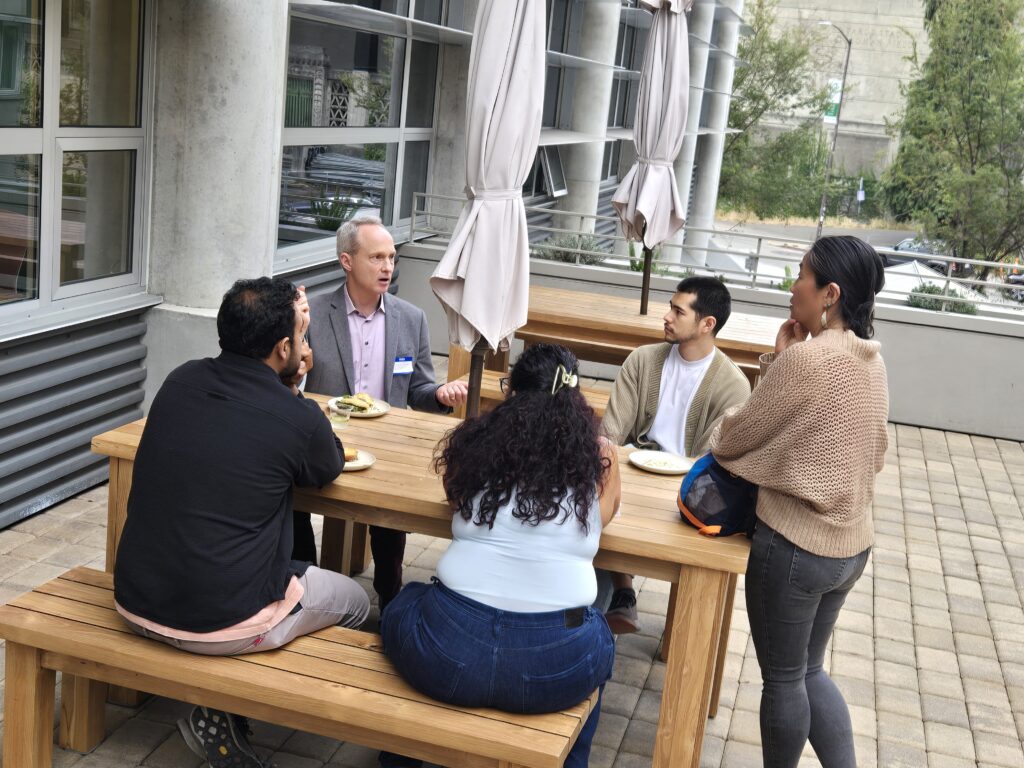
The convening underscored that small-scale development is not just about housing units. It is about nurturing people, places, and nature. Done well, it can repair the damage of exclusionary zoning, preserve existing homes, create attainable housing, and generate lasting wealth for families.
Moving forward will take collaboration across all four corners: property owners, builders, city staff, and financiers. It will also require community trust, creativity, and the willingness to see small projects as part of a larger story of equity and regeneration.
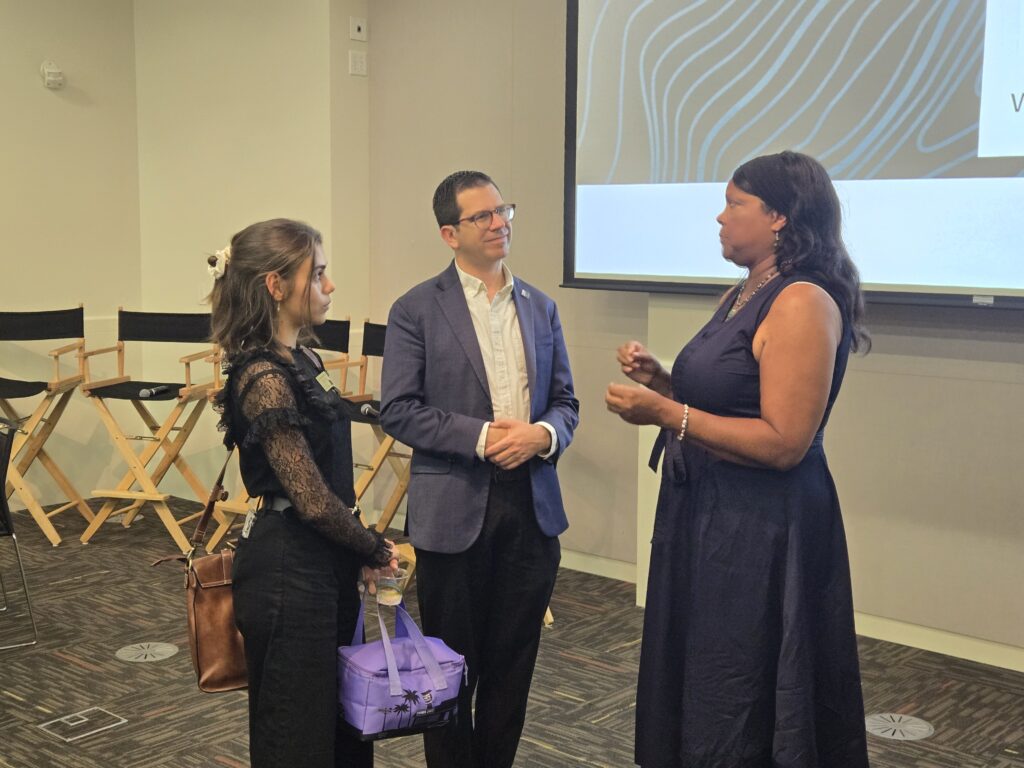
Participants left with a sense of possibility, as well as a reminder that this work is collective. Each role matters, and together they add up to something greater. When aligned, small-scale development becomes more than housing. It becomes a way to heal, to build, and to strengthen the fabric of our neighborhoods for generations to come.
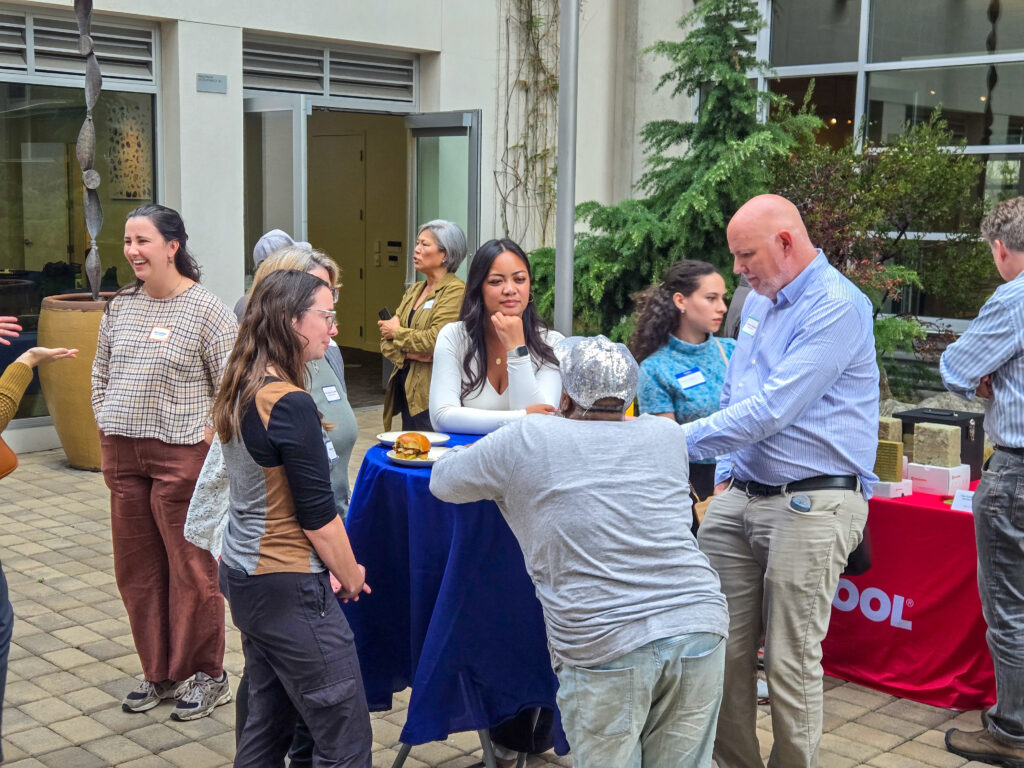
This convening and the work it supports would not be possible without the partnership of our sponsors. A special thank you to StopWaste, ROCKWOOL, Kit Switch, and Bay Area Made for investing in small-scale development and helping to create stronger, more resilient communities across the Bay Area.
Our upcoming Small Development Incubator Bootcamp Series will run from November 2025 through early 2026. This four-part program is designed for community members and emerging developers who want to take their projects to the next level.
Participants will gain practical skills in design, financing, permitting, and construction, and the series will culminate in an opportunity to present projects to experienced developers for feedback and guidance.


Alex Coba
Communication Associate
As a proud California native from Stockton, Alex brings a wealth of experience and a versatile skill set. He has a solid communication background with a Bachelor of Arts in Journalism and Public Relations from California State University, Chico. Alex is adept at strategic communications and media relations, with experience gathering and sharing stories from his local communities that uplift the unique spirit and values of those places. He is excited to join Build It Green, where he can apply his talents to further BIG’s mission to help communities across California thrive