Register now for Build It Green’s Small Development Summer Socials starting June 4 in Oakland.

Register now

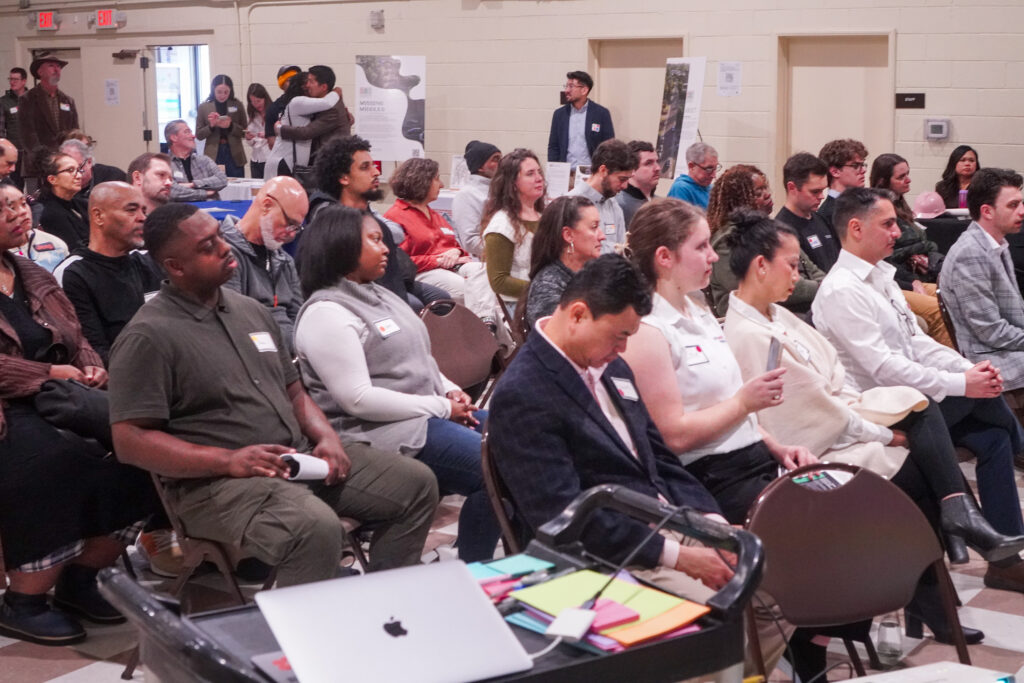
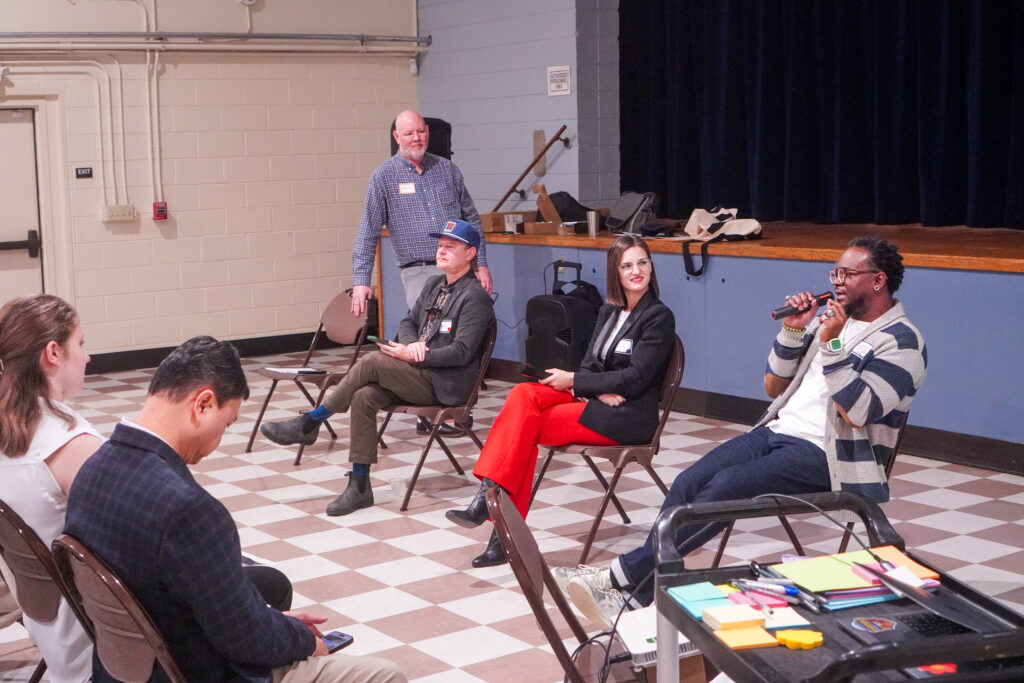
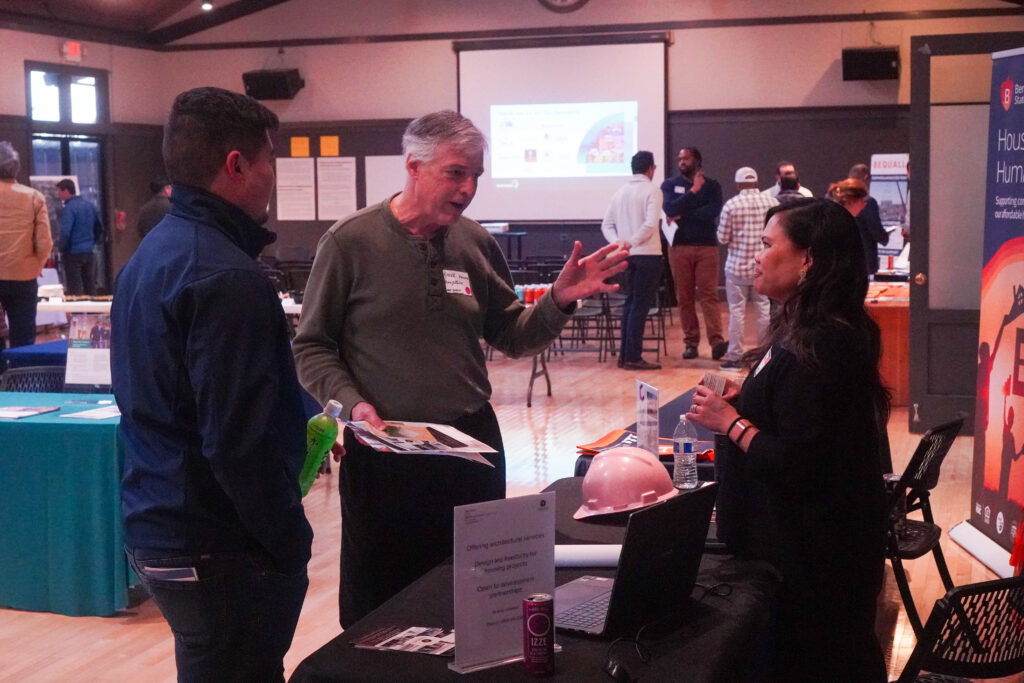
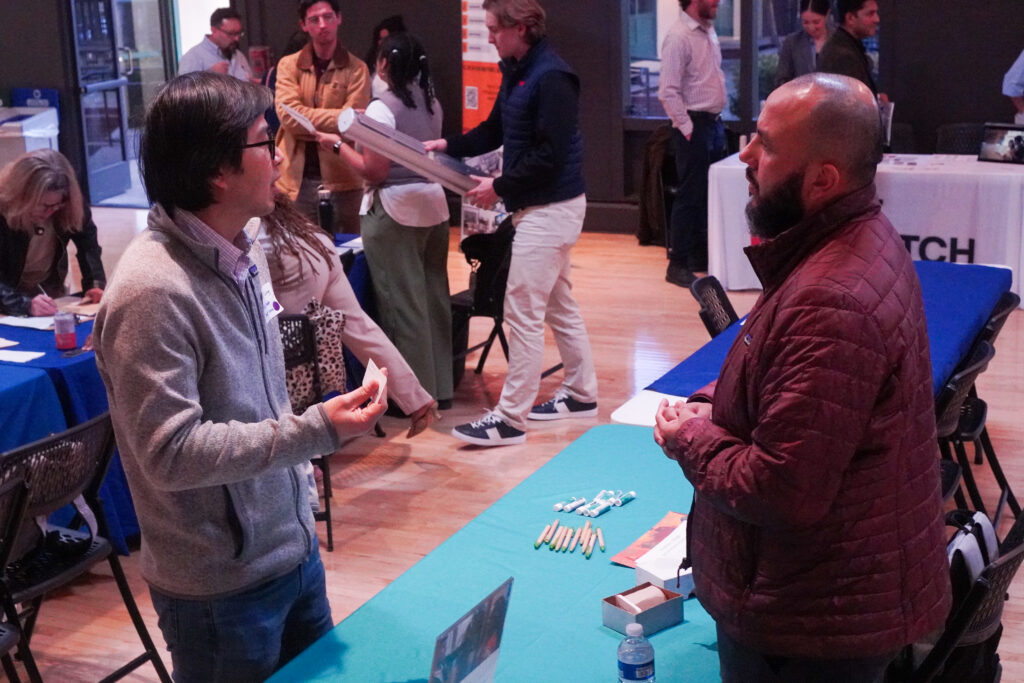
At Dream BIG, Build Small: A Showcase for Small-Scale Developers and Builders, participants discussed what it actually takes to deliver small-scale housing projects (10 units or less per project). The conversation focused on practical realities such as relationships, feasibility, and the importance of working within communities rather than around them.

Hosted by Build It Green, the showcases, held in Sacramento and El Cerrito, brought together small developers, builders, designers, lenders, public-sector partners and community organizations to share lessons from real-world work.

Development built on relationships

Each showcase had a keynote panel where speakers consistently noted that small-scale development depends on access to the right people, particularly financiers and contractors. Those connections are rarely the result of formal pipelines or industry privilege. More often, they come from being embedded in the community and building trust over time.
Several examples illustrated how long-term relationship-building can directly affect project feasibility. In one case, a developer described securing a seller-carried deal (in which the seller serves as the lender to the buyer) after spending time getting to know the buyer and understanding their needs. The deal was not driven by a pitch or a competitive offer. It was built through trust and local knowledge.
The takeaway was clear. Relationship-based development is not optional for small developers. It is a core part of how projects move forward.

Using new technology to support feasibility

The discussion also addressed the role of new and emerging technologies in small-scale development. Participants encouraged openness to tools that can reduce costs, improve efficiency and help projects pencil.
Rather than focusing on innovation for its own sake, the conversation centered on practicality. New construction methods and digital tools were framed as supports that can help small developers manage risk, shorten timelines and improve affordability, especially in tight-margin projects.

Regenerative approaches that can be implemented

Regeneration was discussed through a practical lens. Participants focused on approaches that restore and strengthen existing communities while allowing projects to move forward. Building smaller units, prioritizing infill development, locating housing near transit and electrifying where possible were identified as actions that contribute to long-term community and ecological health.
To advance regeneration, presenters emphasized the importance of focusing on a limited number of high-impact decisions rather than trying to include every possible social or environmentally beneficial feature in a project. They stressed that projects that move forward and get built provide more regenerative benefit than overly aspirational projects that stall due to complexity or cost.

Strengthening the small-scale development ecosystem

Both panels concluded with a call to strengthen the ecosystem that supports small-scale development. Participants highlighted the need for continued collaboration with workforce development programs, peer learning and information-sharing across projects.
Small-scale development works best when people contribute contacts, share lessons learned and support one another. Active participation and collaboration were framed as essential to building long-term capacity across the field.

Strengthening the small-scale development ecosystem

Dream BIG, Build Small was made possible through the support of partners committed to advancing regenerative, community-rooted housing solutions. Build It Green thanks:

Why this matters

The showcases reinforced that small-scale housing is not primarily a technical challenge. It is a relationship-driven process that depends on trust, local knowledge and practical decision-making.
By centering feasibility, collaboration and regeneration, Dream BIG, Build Small highlighted an approach to development that builds housing while strengthening the systems and relationships needed to support long-term community health.

Alex Coba

Communication Associate

As a proud California native from Stockton, Alex brings a wealth of experience and a versatile skill set. He has a solid communication background with a Bachelor of Arts in Journalism and Public Relations from California State University, Chico. Alex is adept at strategic communications and media relations, with experience gathering and sharing stories from his local communities that uplift the unique spirit and values of those places. He is excited to join Build It Green, where he can apply his talents to further BIG’s mission to help communities across California thrive